Classic Warm Soft Lights: The Classic Look for Permanent LED Illumination Installation
There is a reason warm lights never ever really leaves. Designs alter, home outsides develop, rooflines get cleaner, and lighting technology keeps improving, but that familiar cozy glow still really feels right. It softens tough building lines, flatters brick and rock, and gives a home a lived-in beauty that cooler tones seldom match. When house owners ask what finish will certainly still look great five or ten years from currently, I usually come back to the very same response: traditional warm soft lights.
That response matters even more when the job entails a Permanent LED Lights Installation Temporary hairs boil down. Long-term systems stay up with every period, every weather condition shift, and every style phase. A long-term configuration requires to look deliberate in December, subtle in July, and appropriate on an average Tuesday evening when no one is commemorating anything at all. Warm light does that much better than almost any kind of other option.
A great deal of individuals first experience these systems while looking for Permanent Vacation Lights, after that recognize the genuine worth has much less to do with one period and even more to do with the year-round appearance. Once they picture the lights staying on your home full time, their priorities change. Showy colors are fun for occasions. Warm soft light is what the majority of people really wish to live with.
Why warm light still wins on genuine homes
On paper, lighting options can feel like a matter of preference. In practice, they affect exactly how the entire house reads from the road. A cozy shade temperature, normally someplace in the reduced Kelvin array, draws out the natural deepness in wood, siding, brick, and landscape design. Cooler light has a tendency to sharpen whatever. That can be helpful in business settings or on extremely modern-day homes, however on the majority of homes it really feels harsher than people expect.
I have actually seen this play out plenty of times throughout night demos. A property owner starts requesting for bright white since they desire the lights to really feel clean and obvious. After that the example changes from trendy white to cozy white, and the whole discussion modifications. The rock veneer suddenly looks richer. The soffits stop really feeling stark. The home windows handle a softer framework. What looked outstanding in theory begins to feel also professional actually, while the warmer setup looks much more costly and much more at home.
The result is specifically strong on older homes and typical architecture. Colonials, artisan homes, ranch homes, farmhouses, and block two-stories all often tend to gain from Classic Cozy Soft Lights due to the fact that the color sustains the personality that is already there. It does not take on your home. It completes it.
That claimed, cozy light is not just for conventional homes. Also more recent constructs with clean lines often look better with a warmer nighttime tone. Modern design already carries sufficient aesthetic intensity in its form. Adding cold light on top of that can press the look into something severe. Warm illumination balances the geometry and keeps the house welcoming.
The difference in between cozy and washed out
One problem comes up usually: house owners worry warm light will certainly look dark, yellow, or old-fashioned in the incorrect method. That can occur, yet it typically has less to do with the idea and even more to do with the item top quality, lensing, spacing, and control settings.
An excellent permanent system does not throw sloppy brownish-yellow light throughout the roofline. It produces a tidy, regulated radiance with adequate result to specify the style without swamping it. The warmth should feel intentional, not weak. This is where specialist item option matters. 2 lights systems can both advertise cozy white and carry out really in different ways as soon as installed.
The lens design, diode quality, and placement under the soffit all affect the final appearance. A well-designed system conceals the hardware and provides the light, not the component. The result is fine-tuned. You notice the line of illumination and the state of mind it develops, however you do not stare at subjected bulbs defending attention.
This is just one of the most significant distinctions in between a thoughtful Permanent LED Lighting Installation and a patchwork do it yourself arrangement. The permanent system needs to go away throughout the day and silently raise the house at night. When the illumination is as well awesome, too brilliant, or also subjected, the system itself comes to be the tale. That is typically not the objective for house owners who desire a timeless exterior.
Where classic cozy soft lights fit best
Warm soft illumination functions remarkably well in day-to-day setting. That is the mode home owners use one of the most, even if they originally bought the system for vacations. A great deal of permanent systems invest a lot of the year on a simple routine: on at sunset, off at going to bed, possibly brighter on weekends, perhaps a little later during gatherings. In those normal-use patterns, heat is what maintains the installment from really feeling overdone.
It likewise lugs well throughout different purposes. For curb appeal, it details the home without making it look business. For amusing, it produces ambience. For seasonal designing, it acts as a base layer that can either stand alone or be temporarily emphasized with color. For safety and security, it gives beneficial ambient visibility without the glare of floodlighting.
One client I bear in mind had a huge two-story block home with dark shutters and mature oak trees. They initially wanted a cooler white since they assumed it would make your home feel extra high end. We mocked up both options. The cooler tone reflected hard off the white trim and squashed the brick. The cozy tone drew out the texture in the stonework and connected the entire front elevation together. A week after setup, they informed me the biggest shock was just how much they delighted in the lights on common nights, not just when visitors were over. That is exactly the point. Excellent long-term lights gains its keep on average nights.
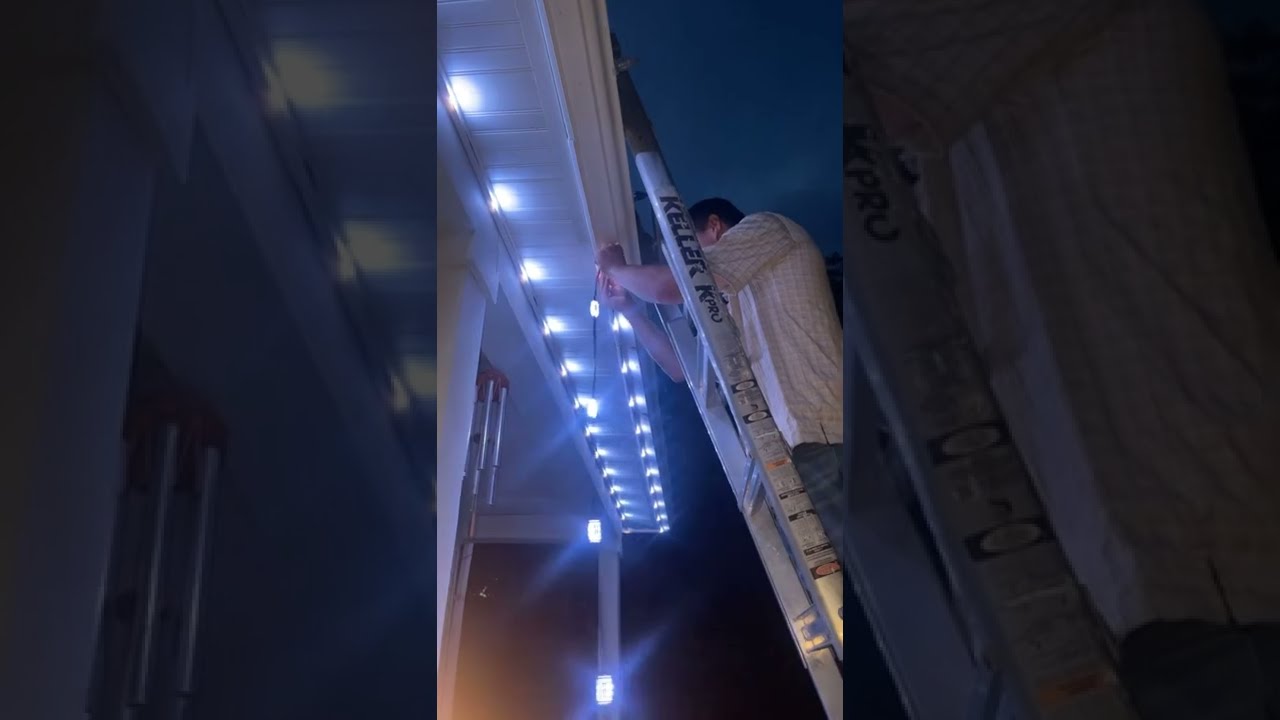
Permanent holiday lights that do not look seasonal
This is where several property owners wait. They enjoy the benefit of Permanent Vacation Lights, but they do not want your home to look like it is constantly all set for an event. That is a reputable problem. Some setups do look as well festive year-round, usually due to the fact that the components are also noticeable or the default settings lean as well intense and colorful.
Classic warm setups resolve a lot of that trouble. When the system is tuned to a soft cozy white and mounted inconspicuously along the roofline or building sides, it learns more like premium outside accent lighting than holiday style. The vacation capacity is still there, ready for December, birthdays, video game days, or patriotic weekend breaks, yet the daily discussion stays understated.
That twin usage is the actual selling point. Property owners no more need to choose in between convenience and restriction. A great long-term system can be both practical and tasteful, but only if the standard lighting selection is tranquil enough to live with. Cozy soft light gives you that baseline.
The strongest installments normally have a power structure. Daily scenes are straightforward and low dramatization. Holiday scenes are bolder and utilized intentionally. If every setup is trying to be high impact, the novelty disappears rapidly. The homes that look best gradually are the ones where the routine nightly look is subtle.
Getting the color temperature right
If you desire the ageless appearance, the real shade temperature matters. As well warm and your house can look extremely amber. Too awesome and the softness goes away. There is no ideal number for each residential or commercial property, but there is a beneficial working range for many homes.
In household setups, many people land pleasantly somewhere around 2200K to 3000K for warm soft exterior lights. The reduced end really feels more candlelike and intimate. The upper end still feels warm, but cleaner and a little brighter. Product shade, trim comparison, and area context all influence where the sweet place falls.
A white stucco home in a seaside setup might manage a somewhat cleaner warm tone well. A red brick home with cream trim commonly looks outstanding a little bit lower in the variety. Dark outsides generally benefit from enough heat to maintain your home from transforming visually flat at night, but they additionally need enough result to review clearly from the street.
Here are a couple of factors worth evaluating when calling in the ideal appearance:
- exterior material shade and texture
- how hidden or visible the components will certainly be
- viewing range from aesthetic to house
- whether the home is typical, transitional, or modern
- how frequently the system will be used in day-to-day warm-white mode
That last point is easy to ignore. If warm white will be your default 90 percent of the time, spend extra effort getting it right. It is better to fine-tune the everyday scene than to consume over the one or two vacations when the system goes totally color-changing.
Brightness issues as much as color
A typical error is criticizing the shade when the real problem is intensity. Also a gorgeous warm white can look low-cost if it is too bright for the home. Overlit rooflines create hotspots, glare, and visual clutter. Instead of accenting design, they subdue it.

This happens commonly on modest-sized homes where the system can a lot more outcome than the layout really requires. House owners see the lights at complete illumination throughout configuration and presume more must be better. Usually it is not. On several homes, dropping the result significantly improves the outcome. The lines come to be softer, the spill comes to be more regulated, and the home looks more refined.
Permanent systems with app-based controls make this less complicated, however only if the installer or homeowner takes time to program useful scenes. It aids to have at least one daily warm-white setting tuned especially for normal nights, not simply a generic factory predetermined. That setting could go for a reduced illumination on weekdays, with a somewhat brighter version for weekends or entertaining.
The ageless look is rarely the brightest setting. It is the one that really feels well balanced from the street, from the driveway, and from inside your house looking out.
Installation details that shape the last look
A stunning lighting color can not rescue a careless mount. The workmanship behind the system establishes whether the result really feels custom or patched together. With Permanent LED Lighting Installation, positioning is everything.
Under-soffit placing tends to be the cleanest option for lots of homes because it conceals the equipment and directs the light in a regulated laundry. Fascia mounting can work well also, but it calls for mindful planning to keep the visual rhythm even. Spacing should reply to your house, not simply comply with a one-size-fits-all guideline. Peaks, dormers, garage doors, gables, and transitions each modification how the light reads.
Wire monitoring matters more than people believe. Throughout daylight hours, poor cable television transmitting is what distributes a hurried setup. Home owners are paying for permanence, so the system ought to feel built right into the house instead of draped onto it. Clean lines, matched trim networks where required, and very discreet discontinuations all contribute to the high-end appearance.
There is also the issue of serviceability. Permanent does not mean untouchable. A well-installed system permits gain access to for future maintenance without harmful surfaces or needing significant disassembly. That is one of those details homeowners may not consider on day one, yet they appreciate it later.
Warm light and seasonal adaptability can coexist
Some homeowners stress that picking a warm daily aesthetic will certainly restrict the enjoyable of shade scenes later. Actually, both complement each various other. A house with a classy standard scene looks even better when it moves intentionally for vacations or events. The contrast provides seasonal programming much more impact.
December is the most obvious instance. Cozy white can lug your house beautifully all period, either alone or mixed with classic red and eco-friendly accents. It likewise pairs well with wreaths, garlands, all-natural plant, and conventional decoration. Cooler white frequently clashes with those products unless the whole vacation style leans very modern.
For other occasions, color can come and go without altering the permanent identification of the house. A sports-team scene on Friday night, soft amber for fall, red-white-and-blue for a summertime vacation, after that back to warm white afterward. The home still feels grounded because the default look is stable.

That is one reason Permanent Holiday Lights have ended up being more attractive to home owners that once did not like the idea. The systems no more have to yell holiday. They can behave like sophisticated building lights most of the year and change settings just when invited to.
Practical compromises homeowners must know
Warm soft illumination is forgiving, but it is not magic. There are trade-offs, and it helps to understand them before installation.
Very warm settings can shed some clarity on https://permanentledluminaire945.wordcanopy.com/posts/classic-cozy-soft-lights-and-permanent-led-illumination-installation-for-ageless-elegance houses with extremely bright white trim. If the home has a minimal, practically gallery-like style language, a slightly cleaner cozy white may suit it far better than a deeply brownish-yellow tone. Homes in dense communities might also need illumination adjusted thoroughly so the setup continues to be stylish and does not cast unneeded spill toward surrounding properties.
Another edge case is snow. In wintertime climates, snow shows a great deal of light back onto the façade. A setting that looks best in October might feel brighter in January. That is not an imperfection in the system, just a pointer that programmable scenes are useful. Seasonal tweaks aid maintain the same aesthetic mood throughout changing conditions.
Landscaping additionally transforms the equation. Fully grown trees, hedges, and stonework can take in or show more light than anticipated. Sometimes the very best roofline color needs companion modifications in pathway or uplighting so the overall scene feels meaningful. Exterior lighting works best as a composition. Irreversible roofline lighting is one layer, not the whole performance.
Choosing an installer that understands restraint
Not every installer has the exact same eye. Some are outstanding at the electrical and technological side but press every home towards optimum illumination and optimum shade because that is what sticks out in a trial. The far better experts know when to draw back.
Ask to see finished jobs in the evening, not just images. Images can overemphasize brightness and flatten color. A live see tells you far more regarding the installer's taste. Take notice of whether the lights enhance the homes or dominate them. Notification if the fixtures go away during the day. Ask what the regular day-to-day scene appears like for the majority of customers after the novelty wears off.
A great installer must be able to talk clearly regarding shade temperature, brightness control, installing technique, and scene shows without considering unclear advertising and marketing language. They need to also be truthful when a home would take advantage of a slightly various warm tone than the home owner originally requested.
That sort of judgment is what divides a sales pitch from a design service.
Keeping the system looking excellent over time
Permanent illumination must not end up being a set-it-and-forget-it eye sore. Luckily, upkeep is typically light if the system is set up appropriately and the elements are built for outside usage. A little interest goes a long way.
A straightforward maintenance routine normally consists of:
- checking seasonal scene schedules a couple of times a year
- rinsing or gently cleaning noticeable trim and lenses when gunk develops up
- inspecting for tornado damage after major weather condition events
- updating control software if the manufacturer suggests it
- confirming brightness levels still fit adjustments in landscaping or paint color
Most of this takes mins, not hours. The point is not constant tinkering. It is keeping the presentation deliberate. If the home obtains repainted, if brand-new trees enter, or if the family members recognizes the lights run behind they favor, little modifications protect the sleek look.
Why the classic appearance has remaining power
The ideal outside options typically borrow from the exact same concept: if something flatters the home itself, it lasts. If it depends upon uniqueness, it dates swiftly. Warm soft lighting flatters the home. It highlights shape, texture, and proportion without compeling a fad onto the architecture.
That is why Classic Cozy Soft Lights continue to appeal also as illumination systems come to be advanced. People may take pleasure in the app controls, the organizing, and the capacity to switch over to color for unique events, however the appearance they go back to evening after night is the straightforward one. Cozy. Well balanced. Comfortable. Stylish without effort.
For homeowners taking into consideration a Permanent LED Illumination Installation, that is the standard worth going for. Not the brightest scene, not the most remarkable demo, and not the one that obtains the largest reaction for five mins. The right choice is the appearance that still feels excellent after the guests leave, after the season changes, and after the system becomes part of day-to-day life.
A house lit in soft cozy tones really feels worked out. It looks looked after. It invites individuals in. And unlike numerous style choices connected to a certain minute, it often tends to age gracefully. That is uncommon enough to matter.